
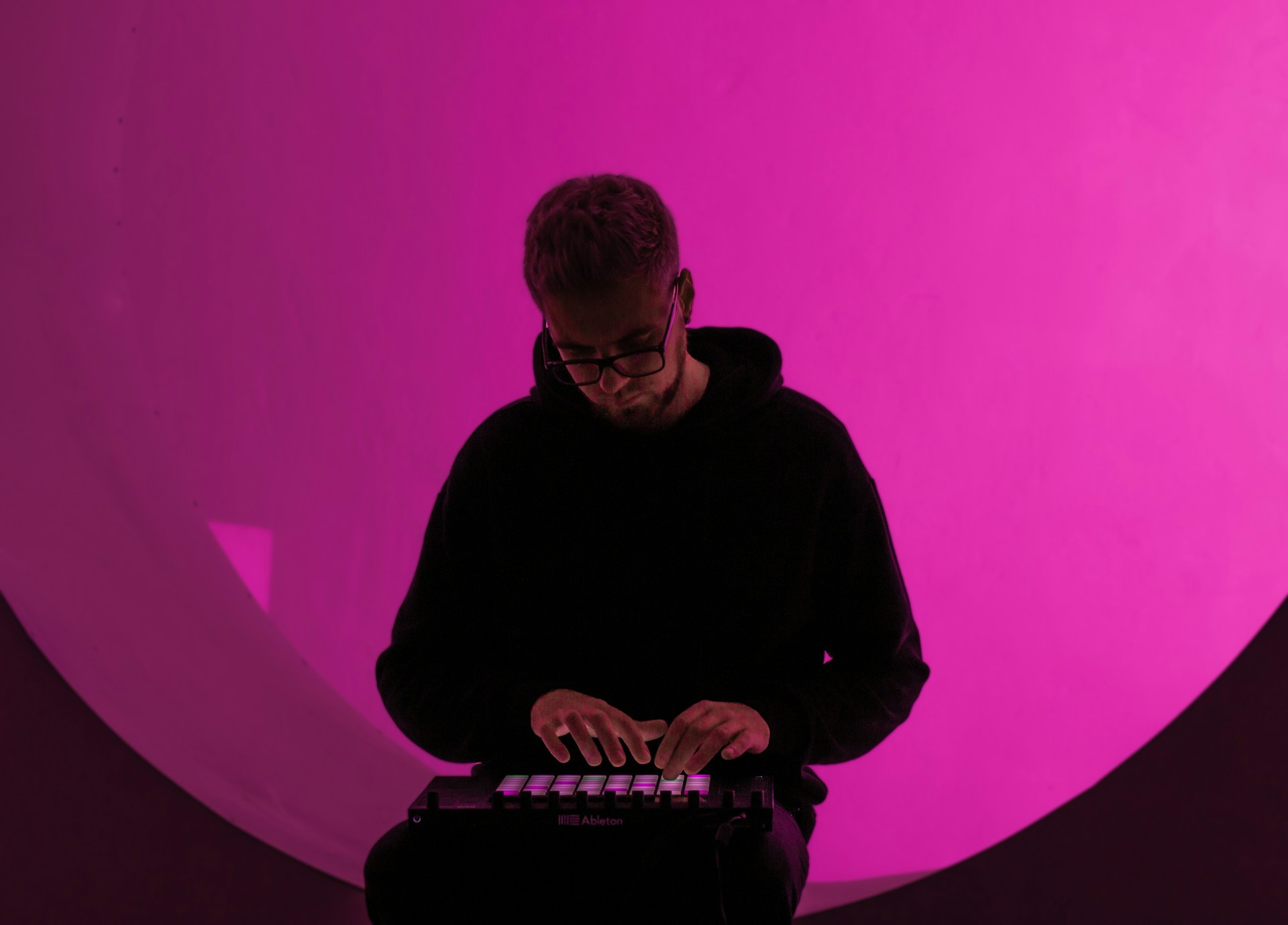
Why Beatmakers Should Keep Creating Music Without AI
Artificial intelligence has become a powerful tool in many industries, including music. While AI can generate melodies, chords, and even complete instrumentals within seconds, there is something it can never truly replace: human creativity. For beatmakers who want to build a lasting career and develop a recognizable sound, continuing to create music without relying on AI is more important than ever.
Music Is an Expression of Human Emotion
Every great beat tells a story. Whether it was created during a moment of happiness, pain, excitement, or determination, the emotions of the producer become part of the music itself. AI can analyze millions of songs and imitate patterns, but it cannot experience life, overcome challenges, or express genuine feelings. Those experiences are what make a beat connect with listeners on a deeper level.
Developing Your Own Signature Sound
The world's most respected producers became successful because they created something unique. Their drums, melodies, arrangements, and mixing techniques became instantly recognizable. If every producer depends on AI-generated ideas, many beats begin to sound similar. Creating music from scratch helps beatmakers develop their own identity, which is one of the most valuable assets in the music industry.
Creativity Improves With Practice
Producing beats is a skill that grows over time. Every melody written, every drum pattern programmed, and every mixing session teaches valuable lessons. By solving creative problems yourself instead of letting AI generate solutions, you continuously improve your musical knowledge and production abilities.
Authenticity Builds Trust
Artists often look for producers who bring original ideas to the studio. They want beats that feel personal and authentic rather than assembled by algorithms. Producers who create everything themselves demonstrate dedication, craftsmanship, and passion, qualities that many artists respect when choosing collaborators.
The Joy of Creating
One of the greatest rewards of making music is the creative journey. Starting with an empty project and slowly building a beat into a finished production provides a sense of accomplishment that cannot be replicated by clicking a single button. The process itself is part of what makes music production enjoyable.
AI Can Assist, But It Shouldn't Replace Creativity
Technology has always helped musicians work more efficiently. Digital audio workstations, virtual instruments, and modern plugins have transformed music production. AI may also have useful applications, such as organizing samples or speeding up repetitive tasks. However, the creative decisions—writing melodies, selecting chords, designing drums, and shaping the emotion of a track—are where the human producer should remain in control.
Building a Lasting Legacy
The music that stands the test of time is remembered because of the people behind it. Listeners connect with artists and producers who have a story, a personality, and a distinctive sound. By continuing to create beats with your own imagination, you build a catalog that truly represents who you are as an artist.
Final Thoughts
Artificial intelligence may continue to evolve, but authentic creativity will always have value. Beatmakers who invest in their own skills, trust their instincts, and create music from genuine inspiration produce work that cannot be duplicated by algorithms. Originality, emotion, and passion remain the foundation of great music, and those qualities will always come from human creators.
The Legal Value of Human-Created Music
One of the biggest advantages of creating beats yourself is the legal protection that comes with original human authorship. In many jurisdictions, including the United States, copyright law protects works created through human creativity. Music generated entirely by artificial intelligence may not qualify for copyright protection if there is insufficient human creative input.
For beatmakers, owning the rights to your music is essential. Copyright allows you to license your beats, collect royalties, enforce your ownership, and protect your work against unauthorized use. By writing your own melodies, programming your own drums, arranging your own compositions, and making the creative decisions yourself, you strengthen your claim as the author of your music.
As AI continues to evolve, copyright laws may also change. However, one principle remains consistent: the more original human creativity involved in producing a beat, the stronger its legal foundation and the clearer its ownership.